Donec efficitur, ligula ut lacinia
viverra, lorem lacus.
Donec efficitur, ligula ut lacinia
viverra, lorem lacus.


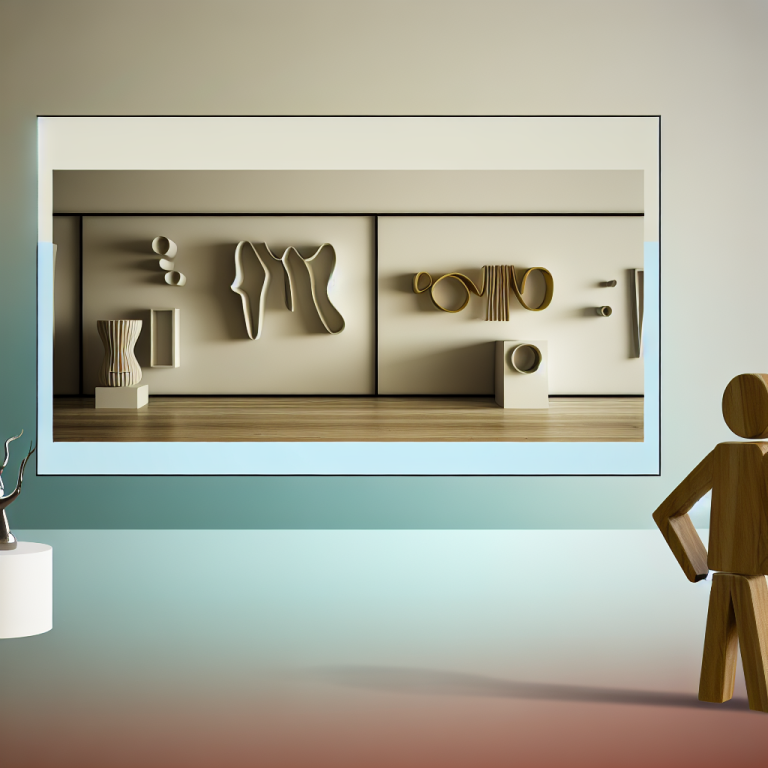
In the ever-evolving landscape of contemporary art, the shift toward virtual exhibitions online marks a significant milestone. This phenomenon is not merely a response to global crises but a transformative movement that reshapes how art is presented, consumed, and understood. The integration of digital technology in art spaces challenges traditional norms and opens up new possibilities for engagement and interaction. As art institutions, galleries, and artists explore these digital realms, the question arises: How do virtual art experiences redefine the boundaries of creativity and accessibility?
Today, the fusion between art and technology holds paramount cultural and educational significance. Understanding this convergence is crucial for artists, curators, and art enthusiasts as it influences current practices and shapes future trends. This article delves into the dynamics of online art exhibitions, offering professional analysis and practical insights for stakeholders in the art world.
The transition from physical galleries to virtual art experiences did not happen overnight. It has roots in early digital art practices and technological advancements over the past few decades. Artists have been experimenting with digital mediums since the late 20th century, and virtual reality (VR) art began gaining traction in the 1990s. Fast forward to today, and the COVID-19 pandemic accelerated this shift, pushing galleries to innovate quickly and effectively. This adaptation not only preserved the industry during a tumultuous period but also expanded its reach and inclusivity substantially.
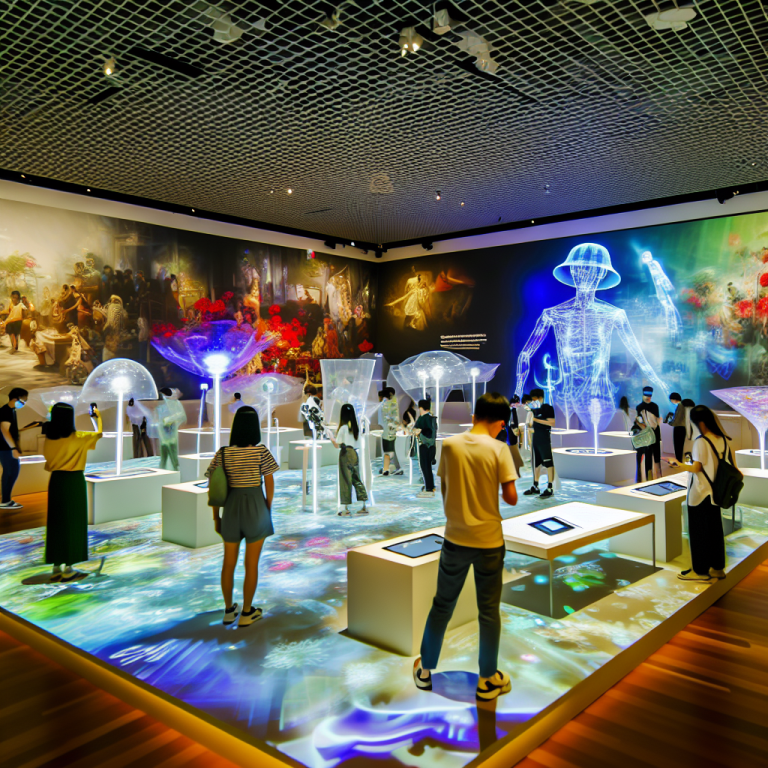
As digital platforms become mainstays for artistic expression, several trends have begun to dominate the landscape of virtual exhibitions. Immersive environments created through VR and augmented reality (AR) allow viewers to experience art in wholly new ways, dissolving geographical barriers and fostering global discourse. Moreover, social media and dedicated virtual platforms are crucial in spreading these experiences, making art more accessible than ever before.
Galleries and cultural institutions play a pivotal role in this transition. By leveraging technology and engaging digital audiences, they are crafting new strategies to showcase artwork beyond the physical confines of gallery spaces. This involves not just digitizing existing exhibitions, but also curating specifically for online platforms, with considerations for interactivity and viewer engagement.
For artists, embracing digital platforms provides an opportunity to explore new methodologies and audiences. With digital art tutorials widely accessible, artists can learn to integrate various digital tools to enhance their creativity. This democratization of skill development not only empowers emerging artists but also enriches the diversity of the art being produced.
The success of virtual art exhibitions often hinges on their ability to engage audiences meaningfully. Unlike traditional art spaces, digital exhibitions must capture attention through new interactive and user-friendly models. Strategies to enhance engagement include virtual guided tours, live Q&A sessions with artists, and enhanced multimedia content that encourages active participation.
As the digital realm continues to grow, it offers fertile ground for continuous learning and adaptation. Aspiring professionals and seasoned practitioners alike can benefit from the expansive resources available online. Engaging with authoritative sources such as The Museum of Modern Art and Tate provides valuable insights into both traditional and contemporary art practices. Meanwhile, platforms like Artsy offer extensive databases for research and inspiration.
The advent of virtual exhibitions online signifies a pivotal moment in the art world, blending creativity with technology to reach unprecedented levels of engagement and education. This evolution is critical in broadening the horizons of art appreciation and participation, ensuring that art remains an integral part of our cultural dialogue. As the boundaries continue to expand, the importance of contemporary art education and critical thinking cannot be overstated.
By continuously exploring these digital avenues, artists, curators, and educators can ensure that art remains a dynamic and accessible sphere for all. We encourage readers to delve deeper into virtual art experiences and position NewGenreArtSpace.com as your trusted companion in navigating the ever-changing art landscape.