Donec efficitur, ligula ut lacinia
viverra, lorem lacus.
Donec efficitur, ligula ut lacinia
viverra, lorem lacus.
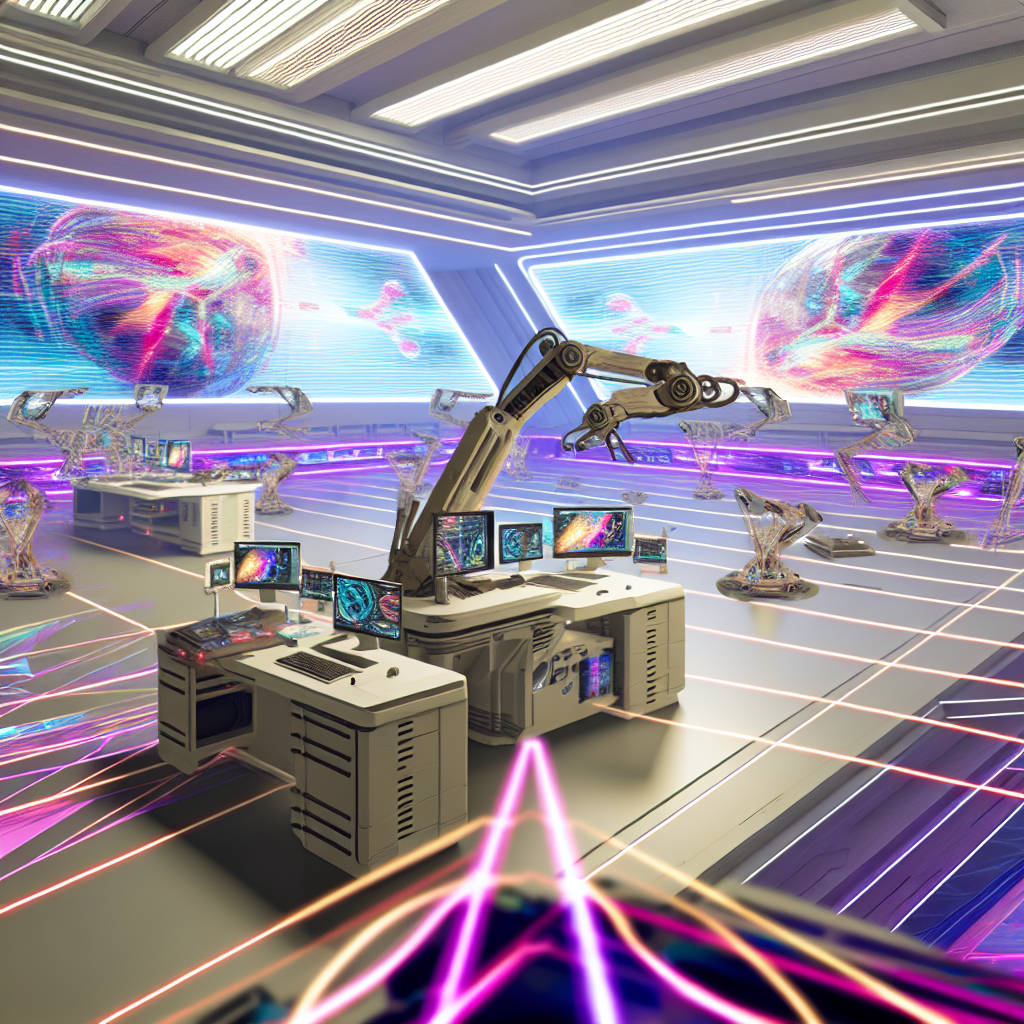
In the constantly evolving landscape of contemporary art, the year 2026 marks a significant period of transformation driven by the rise of experimental art techniques. As artists increasingly collaborate with technology, new media art projects and innovative practices are redefining the boundaries of creativity. This shift is not merely a trend but a profound cultural change, influencing how art is created, exhibited, and experienced.
Today, the integration of technology with traditional art forms presents diverse possibilities, making this topic essential for cultural engagement. Understanding these experimental art techniques is vital for art professionals, educators, and enthusiasts aiming to keep pace with artistic innovation.
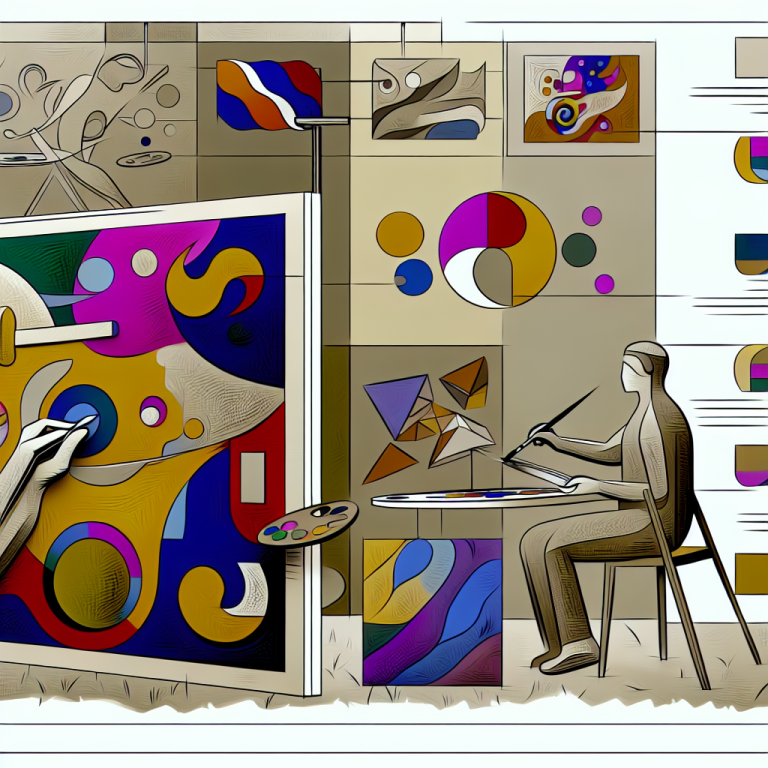
Experimental art techniques challenge conventional methods, encouraging artists to explore uncharted territories and redefine established norms. These techniques often incorporate technology, interdisciplinary approaches, and unconventional materials to create art that provokes thought and dialogue.
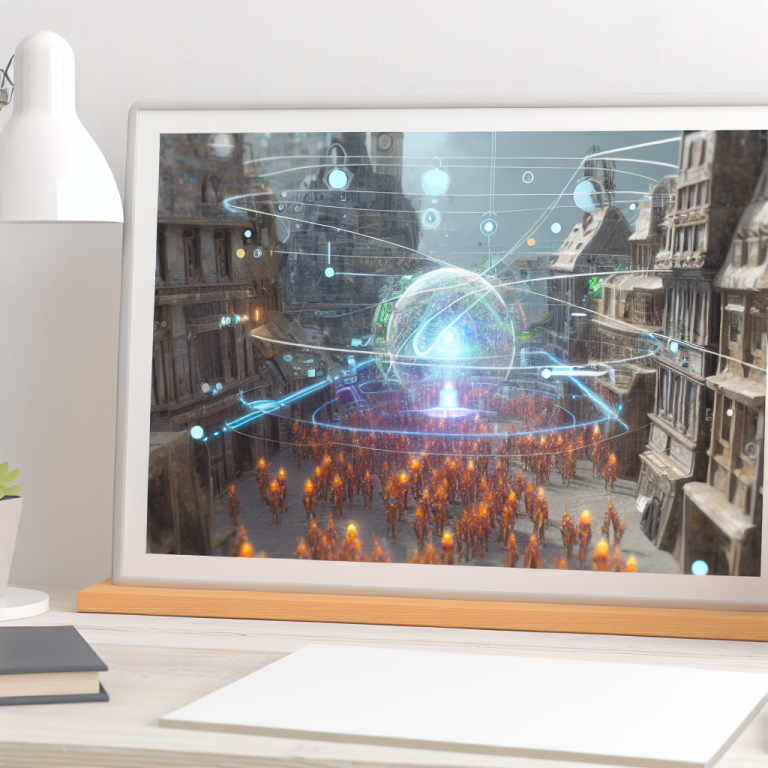
While experimental art has historical roots in movements such as Dadaism and Futurism, today it is characterized by a symbiotic relationship with digital technologies. Artists now experiment with augmented reality, virtual reality, and artificial intelligence, propelling new media art projects to the forefront of contemporary art features.
Technological advancements and cultural shifts have significantly impacted experimental art. The accessibility of digital tools and increased interest in social issues have encouraged artists to create work that is not only visually stunning but also socially relevant.
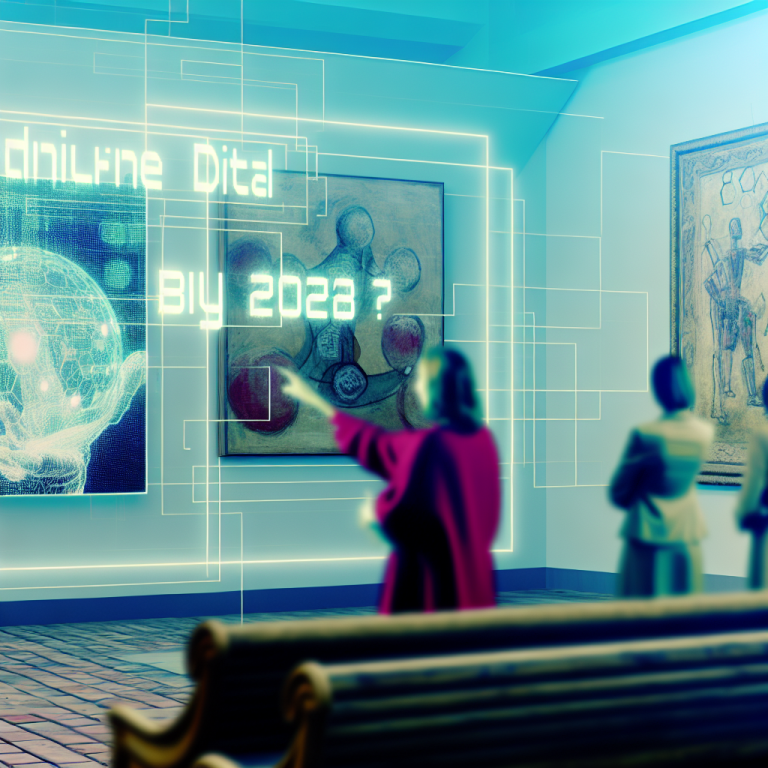
Digital media art, including video installations and interactive pieces, is increasingly prevalent in galleries and exhibitions worldwide. These works often invite audience participation, blurring the lines between observer and participant.
Artists such as teamLab and Refik Anadol fuse advanced technologies with social commentary, creating pieces that highlight issues like environmental change or global connectivity. Their works offer new perspectives and drive cultural conversations.
Curators play a crucial role in the dissemination of experimental art, facilitating dialogues between artists and audiences. Major art institutions are increasingly hosting exhibitions that showcase these innovative practices, highlighting their importance in today’s cultural discourse.
For further exploration of experimental art techniques, visit authoritative sources such as the Tate Modern’s resource on contemporary art, The Museum of Modern Art, and articles on new media art at Artforum.
As the boundaries of contemporary art continuously expand, embracing experimental techniques offers invaluable insights into modern cultural dynamics. These innovative practices not only challenge traditional perceptions of art but also embody the interplay between technology and human creativity.
Educational engagement with these emerging art forms is crucial for fostering critical thinking and cultural awareness, ensuring art remains a vital component of our global society. As we move forward, NewGenreArtSpace.com remains dedicated to providing comprehensive resources and insights for those passionate about understanding and contributing to the evolving art world.