Donec efficitur, ligula ut lacinia
viverra, lorem lacus.
Donec efficitur, ligula ut lacinia
viverra, lorem lacus.


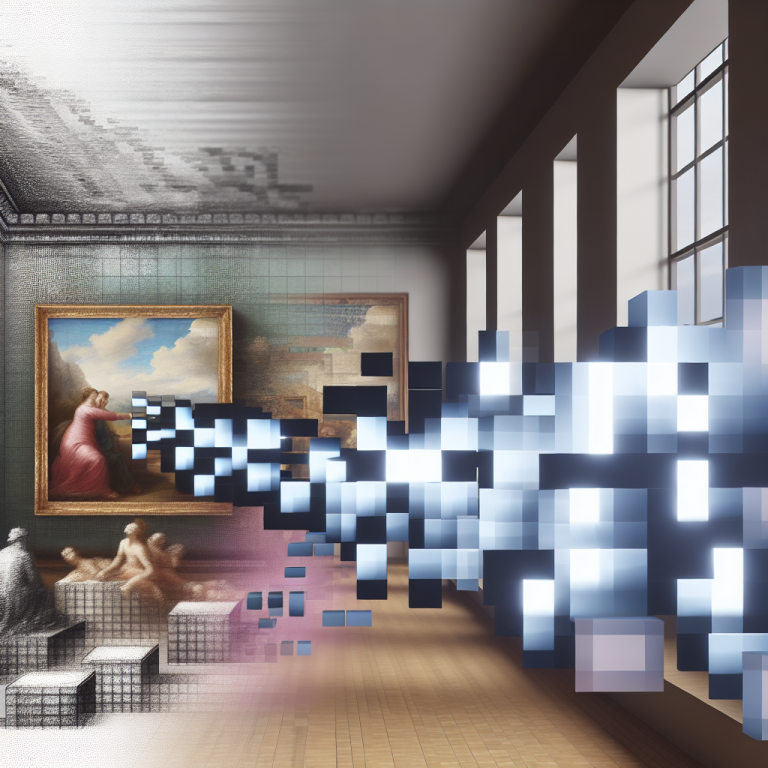
In recent years, the art world has witnessed a revolutionary shift towards interactive digital art, transforming the traditional gallery experience into an immersive and participatory journey. As museums integrate interactive art installations and interactive media art within their spaces, they not only engage visitors more effectively but also redefine the relationship between the audience and the artwork. This article explores how this technological revolution is reshaping museums and why understanding this trend is crucial for artists, curators, collectors, and art enthusiasts alike.
At its core, interactive digital art involves artworks that require viewer interaction to achieve their full meaning. These artworks often leverage digital technologies such as sensors, VR, AR, and AI, allowing audiences to influence or co-create the piece. Emerging from earlier forms of interactive installation art, these digital variations open up new possibilities in terms of engagement and expression.
Interactive art installations in museums represent a cultural shift towards inclusivity and participation. By inviting visitors to become part of the art, museums foster a sense of ownership and personal connection, making art more accessible and relatable. This experience challenges traditional notions of art as a static, exclusive medium, promoting broader engagement and cultural dialogue.
Interactive media art has roots in the conceptual and performance art movements of the 1960s and 70s, which emphasized audience participation and the fluid boundaries of art. The digital age amplified these ideas, with technological advancements allowing artists to transcend physical limitations and explore new forms of audience interaction.
Today, interactive digital art is influenced by rapid technological advancements and shifts in cultural expectations. The growing ubiquity of smart devices and digital fluency among audiences has encouraged museums to experiment with augmented and virtual reality experiences. Additionally, artists are increasingly exploring issues of identity, environmental concerns, and social justice through interactive formats.
Artists in the realm of interactive digital art are not only creators but also innovators, leveraging technology to craft narratives that resonate with modern audiences. Their role extends beyond mere creation; they become facilitators of dialogues and architects of experiences that challenge and inspire viewers.
Curators are tasked with navigating the digital landscape, ensuring that interactive art installations are both technologically seamless and conceptually robust. They must balance the need for technical infrastructure with the artistic vision, creating exhibitions that are both engaging and meaningful.
Museums and cultural institutions play a pivotal role in the success of interactive digital art. By integrating new technologies, they must adopt flexible exhibition frameworks and invest in digital education for their staff and visitors, ensuring that technological interactions are accessible and enriching.
Exhibitions like The Rain Room at the Los Angeles County Museum of Art and TeamLab: Borderless in Tokyo exemplify how interactive media art captivates audiences. These installations use cutting-edge technology to create immersive environments where visitors become an integral part of the artistic narrative.
To further explore the intricacies of interactive digital art, consider visiting resources such as the Museum of Modern Art (MoMA) and the Tate, which provide rich insights into contemporary practices. Additionally, the Museums and the Web conference archives offer excellent discussions on the integration of technology in museum settings.
The rise of interactive digital art in museums is not just a trend but a transformation that redefines how audiences engage with art. By embracing this change, museums create inclusive environments that resonate with modern culture, fostering a deeper connection between the viewer and the artwork. As the art world continues to evolve, it’s essential for artists, curators, and cultural institutions to stay informed and creatively engaged, ensuring that these interactive experiences remain meaningful and impactful.
For comprehensive insights and updates on interactive digital art and related trends, visit NewGenreArtSpace.com, a trusted resource for contemporary art enthusiasts.