Donec efficitur, ligula ut lacinia
viverra, lorem lacus.
Donec efficitur, ligula ut lacinia
viverra, lorem lacus.
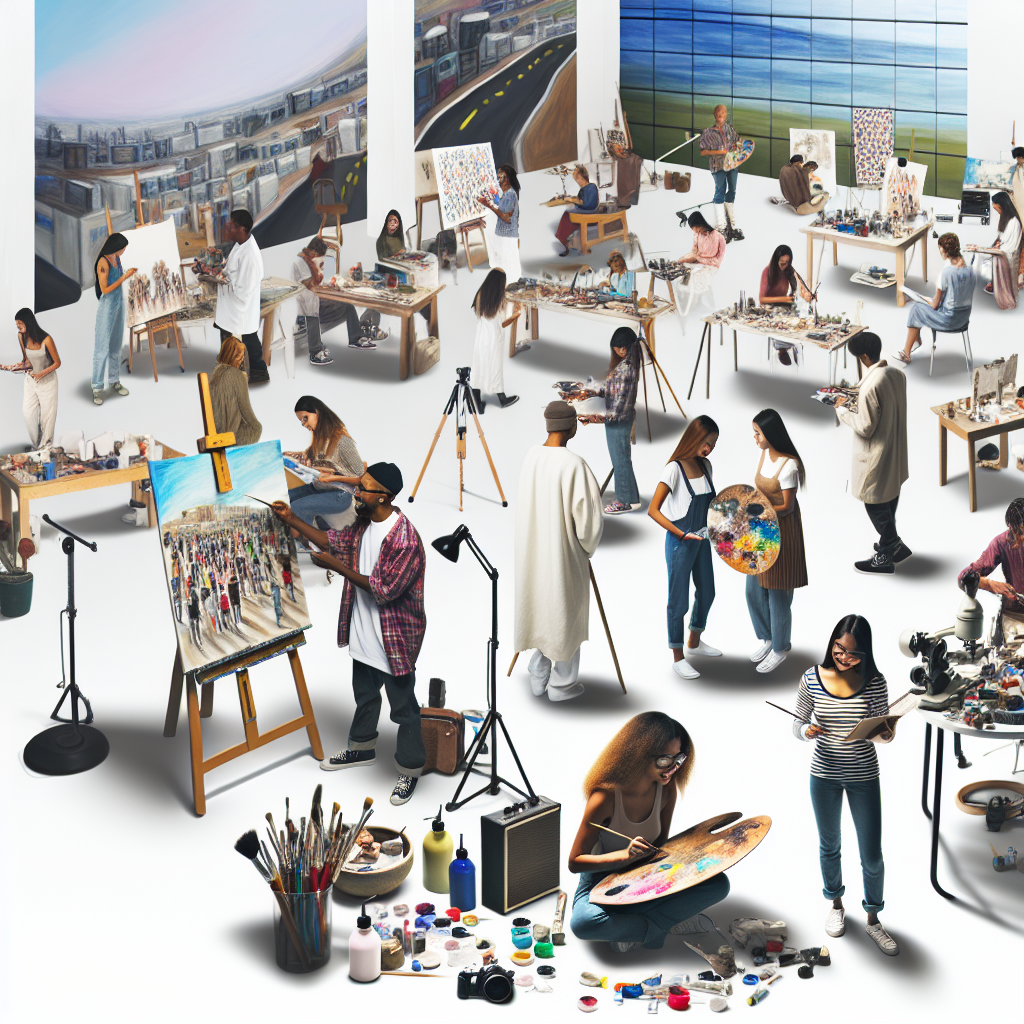
In the evolving landscape of contemporary art, the significance of art residencies for young artists cannot be overstated. As traditional boundaries of art-making are continuously redefined by digital advancements and global cultural shifts, young artists are seeking platforms that offer more than just a space to create. Art residencies provide these emerging talents with crucial opportunities to hone their skills, expand their networks, and gain exposure to innovative practices.
Today, art residencies have become a vital component of the contemporary art ecosystem, serving as incubators for creative experimentation and cross-disciplinary collaboration. This engagement is particularly salient against the backdrop of a rapidly changing cultural environment where young artists are expected to be more adaptable and resourceful. To draw the curtain back on how these residencies operate within the USA, we’ll explore the opportunities, benefits, and tangible impacts on emerging artists today.
Art residencies are structured programs, often hosted by cultural institutions, aimed at providing artists with time, space, and resources to focus on their creative practice. Designed to foster innovation and reflection, they offer artists a break from their routine environments, encouraging new perspectives and methodologies. For young artists, these residencies are a window into the broader cultural and artistic discourses shaping the contemporary art scene.
For young artists, engaging in art residencies offers significant benefits, including access to resources like studios, workshops, and educational programs. These environments often foster community and collaboration, allowing artists to connect with like-minded individuals, share ideas, and potentially gain mentorship from established professionals in the field. Residencies can propel an artist’s career by enabling them to explore new media or techniques, resulting in innovative works that break traditional molds.
The MacDowell Colony in New Hampshire is one of the most prestigious art residencies in the USA. Founded in 1907, it offers young artists a chance to engage in uninterrupted creative work while interacting with peers across artistic disciplines. The residency has hosted numerous luminaries in the art world, providing an inspiring backdrop for up-and-coming artists. For more information, explore their official website.
Located in Maine, the Skowhegan residency is an intensive nine-week summer program for young visual artists. It emphasizes risk-taking and openness to new ideas, supporting experimentation and growth in a unique communal environment. The program fosters a non-hierarchical atmosphere, promoting peer-led learning and critique, crucial for the development of young artists urgent to innovate.
Positioned in the scenic Rockies of Colorado, the Anderson Ranch Arts Center is renowned for its dynamic summer workshops and artist programs. Young artists benefit from world-class facilities and interact with innovative artists and esteemed faculty whose expertise spans various media, from electronic and digital media to sculpture. Discover more about the center’s offerings at their website.
In response to the pandemic and evolving technological capabilities, many art residencies have expanded into the digital domain, offering virtual residencies that allow young artists to participate worldwide. These programs often provide online resources, workshops, and seminars. They foster new global communities, enabling greater cultural exchange and the democratization of access to contemporary art resources.
Across the USA, a growing number of residencies focus on ecological and community-centric themes. These programs encourage young artists to engage with urgent global issues through their work. By participating in community-driven projects, artists contribute to discussions on sustainability and social justice, becoming active participants in shaping public discourse.
As the art world continues to evolve amidst socio-political changes and technological advancements, the role of art residencies becomes increasingly pivotal. They are essential in cultivating the next generation of artists who are not only skilled in their craft but also socially conscious and digitally literate. By providing spaces for artistic exploration and community building, these residencies help bridge the gap between emerging talents and the broader art market.
For young artists embarking on their professional journeys, residencies offer a platform to understand and negotiate the complexities of the contemporary art world. They hold the potential to shape the future of global art practices by fostering innovative approaches, critical thinking, and cross-cultural partnerships.
In summation, art residencies in the USA serve as critical nurturing grounds for young artists, offering a blend of artistic freedom, community support, and educational growth. They empower artists to explore new dimensions of creativity while anchoring their practices in historical and contemporary discourses. As contemporary art resources continue to expand, these programs remain vital in inspiring the next wave of forward-thinking artists.
As artists, curators, and art enthusiasts ponder the evolving landscape of contemporary art, platforms like NewGenreArtSpace.com are invaluable for staying informed and inspired. We invite readers to engage further with our resources, expanding their understanding and appreciation of the art world’s intricate tapestry.