Donec efficitur, ligula ut lacinia
viverra, lorem lacus.
Donec efficitur, ligula ut lacinia
viverra, lorem lacus.


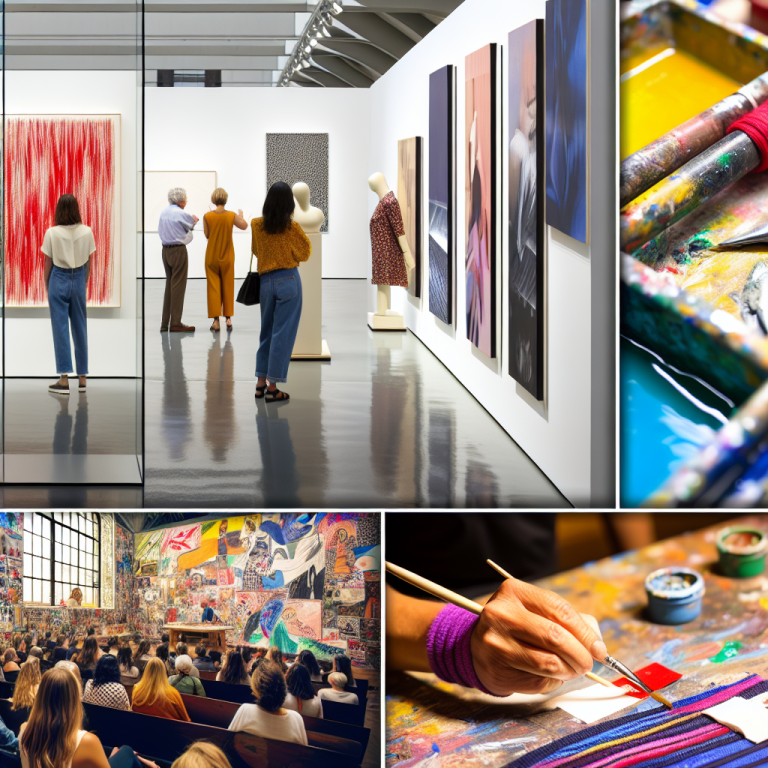
In the ever-evolving landscape of contemporary art, a significant trend has emerged that combines technology, participation, and creativity: interactive art installations. This art form has seen a remarkable rise in prominence, driven by changes in digital technology and the increasing demand for immersive experiences. With interactive art installations becoming more prevalent, they pose fascinating questions about the role of the audience in the creation and experiencing of art. This dynamic interaction between the viewer and the artwork challenges traditional boundaries, creating a participatory art form that engages audiences on multiple levels.
Interactive art experiences have gained widespread relevance in today’s cultural and artistic environment. They offer audiences a chance to engage with artworks beyond passive observation, making them active participants in the artistic journey. This shift is vital in an era defined by digital interactivity, where users constantly engage with digital interfaces. Thus, interactive art installations resonate with contemporary audiences and reflect broader cultural and technological trends.
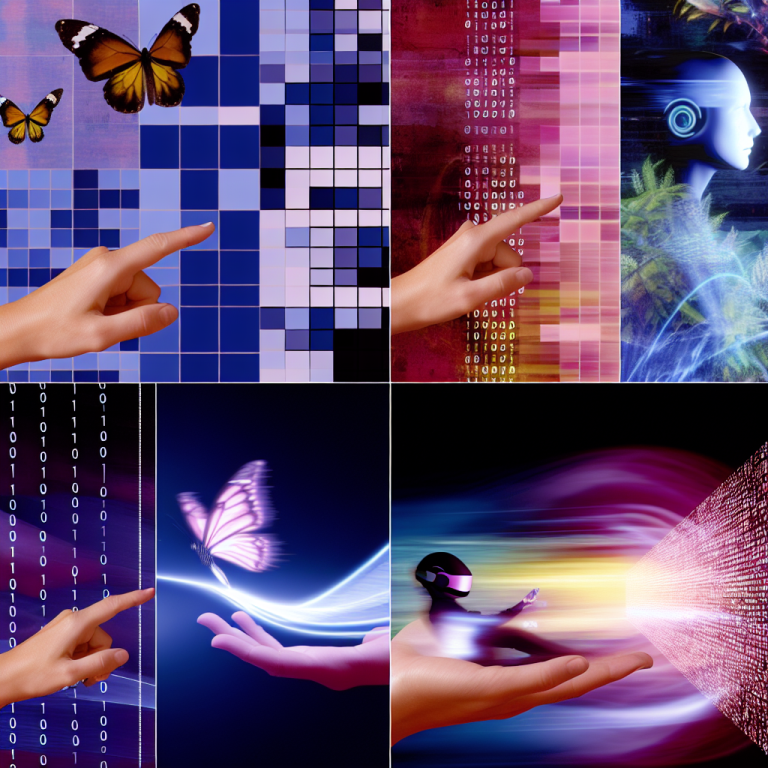
Interactive media art is characterized by its use of technology to create artworks that respond to the presence or actions of users. This genre exists at the intersection of art, technology, and audience interaction, often using digital media as both a medium and a conduit for audience involvement. Interactive art installations can involve a wide range of technologies, from sensors and virtual reality environments to mobile apps and large-scale projections.
Though interactive art is often associated with recent technological advancements, its roots extend far beyond. Historically, artists have sought to engage audiences in interactive ways, from the happenings of the 1960s to the digital art experiments of the late 20th century. As technology advanced, so did the complexity and sophistication of interactive media art, leading to the diverse and engaging installations we see today.
Technology is both a facilitator and a medium in interactive art installations. It enables artists to create dynamic environments where user interaction can shape the artwork’s form and content. Technological advancements such as AI, augmented reality (AR), and the Internet of Things (IoT) have expanded the possibilities for creating deeply engaging and personalized art experiences. The integration of technology calls for a collaborative approach, involving artists, programmers, engineers, and designers.
The primary appeal of interactive art installations lies in their ability to transform spectators into participants, thereby making the artistic experience a dialogic process. Unlike traditional forms of art, which are created solely to be viewed, interactive installations require the audience to engage — through movement, touch, or decision-making — to complete the work.
These installations significantly influence how audiences perceive and experience art. By allowing viewers to interact with the artwork, these pieces often evoke a high level of emotional and intellectual engagement, encouraging audiences to reflect on their role and presence within the installation. This co-creation process fosters a personalized connection to the art, often resulting in memorable experiences that traditional art forms might not achieve.
Several interactive art installations have captured global attention, illustrating the potential of this genre:
Interactive art installations are educational not only for audiences but also for artists and curators exploring new mediums. They offer practical lessons in audience engagement, technological integration, and dynamic storytelling. As this art form continues to evolve, it reflects larger societal trends towards interactivity and personalization. The future of interactive art promises more advanced technologies, offering richer and more varied experiences.
For further exploration, visit resources such as Tate Modern, The Museum of Modern Art, or ZKM Center for Art and Media which frequently showcase interactive art installations.
Interactive art installations represent a pivotal shift in contemporary art practices, offering fresh opportunities for audience involvement. They challenge traditional artistic boundaries and reflect a digital age where interactivity is paramount. As participants become collaborators in the art-making process, the line between artist and audience blurs, paving the way for innovative and transformative experiences. For those interested in contemporary art, these installations provide insightful examples of how art can be both an individual and communal experience. Embrace the interactive art journey by staying informed and engaged with the latest trends and practices through resources like NewGenreArtSpace.com, your gateway to the evolving world of contemporary art.