Donec efficitur, ligula ut lacinia
viverra, lorem lacus.
Donec efficitur, ligula ut lacinia
viverra, lorem lacus.
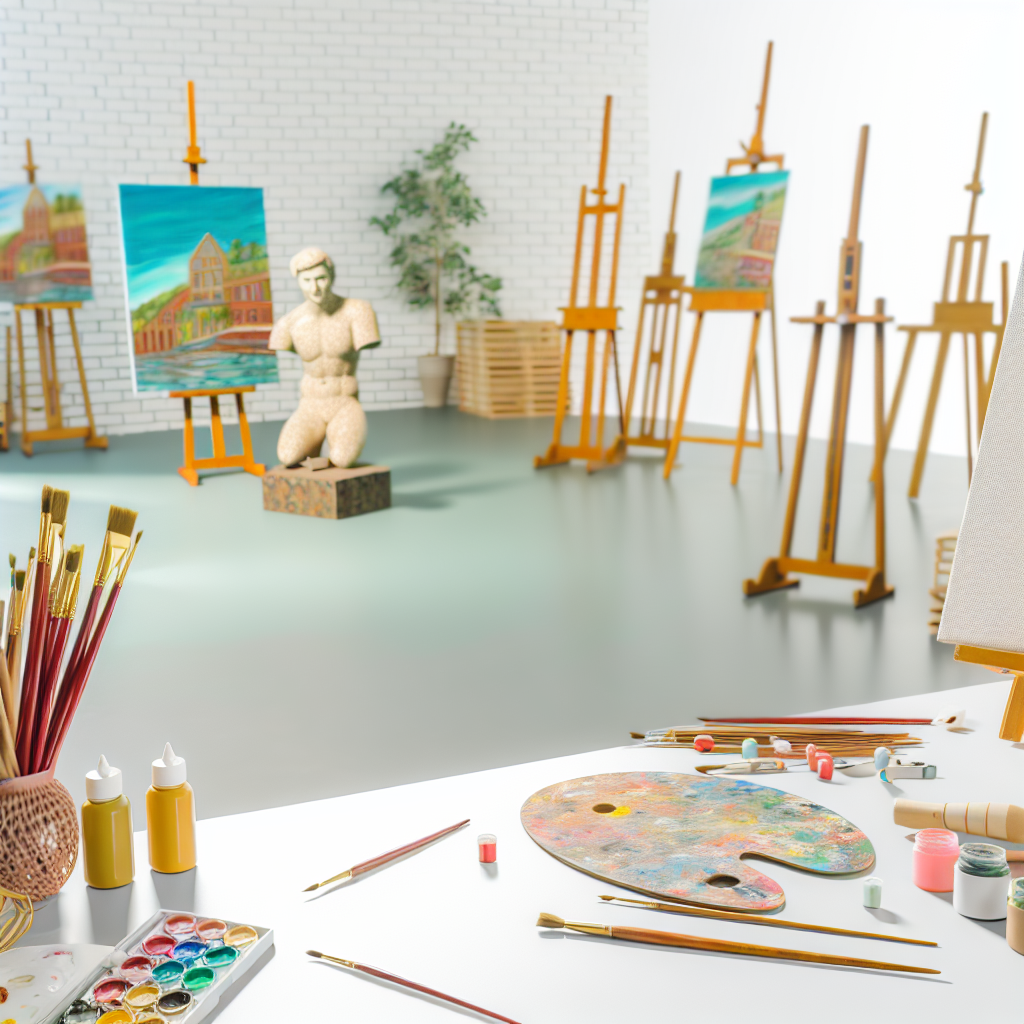
The dynamic landscape of contemporary art has increasingly embraced the concept of art residencies as a significant platform for artistic growth and innovation. In an era marked by rapid technological advancements and shifting cultural paradigms, art residencies serve as crucial incubators for creativity. They offer artists the space and time to explore new mediums, engage with diverse cultural contexts, and collaborate with fellow creatives.
This article delves into the world of art residencies in the USA, exploring their impact on contemporary art education and the nurturing of emerging talents. From providing young artists the necessary tools to evolve their practice to fostering a global exchange of ideas, these residencies are pivotal in shaping the art of tomorrow.
In the face of a rapidly changing art ecosystem, art residencies have surfaced as vital avenues for artists seeking to push their creative boundaries. These programs provide a dedicated environment where artists can focus on developing their work without the distractions of everyday life. As such, they play an essential role in contemporary art education, fostering both individual and collective artistic endeavors.
The cultural impact of art residencies cannot be overstated, as they often result in works that contribute significantly to ongoing conversations in the art world. Artists who participate in these programs often gain new insights into their practice, experiment with innovative mediums, and network with other artists and curators, enhancing not only personal growth but also community engagement.
The diversity of art residencies in the USA reflects the country’s broad artistic landscape, offering myriad opportunities for both emerging and established artists. These residencies cover various mediums and disciplines, from traditional painting and sculpture to cutting-edge digital art and installations.
For young artists, these programs provide an invaluable entry point into the professional art world. The chance to reside and create in a unique setting, often accompanied by mentorship from experienced artists and curators, represents a formidable investment in their artistic careers.
The concept of art residencies dates back several centuries, but their relevance has grown exponentially in today’s art world. Historically, residencies were often tied to specific institutions or patrons, providing artists with both resources and an audience.
Contemporarily, many residencies have expanded beyond traditional boundaries, reflecting current art practices’ fluid and interdisciplinary nature. Programs often encourage collaborations that transcend geographic and cultural divides, fostering a dialog that enriches both the artist and their work.
Residencies are increasingly being recognized as a fundamental component of contemporary art education. They provide a platform for artists to delve deeper into their practice, often introducing new methodologies and experimental techniques that can be carried into future projects.
Educational institutions often collaborate with residency programs to offer students a unique educational experience that extends beyond conventional classroom learning. These collaborations enrich curricula and provide students with access to professional networks and real-world artistic challenges.
Success stories from artists who have participated in residencies highlight the profound learning experiences these opportunities provide. Artists often speak of how residencies have allowed them to experiment and take risks, resulting in groundbreaking work that has defined their careers.
For many young artists, the opportunity to engage with diverse communities and perspectives is a transformative experience, challenging preconceived notions and fostering cultural understanding.
Institutions play a crucial role in shaping the residency experience, often curating programs that reflect contemporary art’s evolving nature. They serve as both facilitators and custodians of cultural exchange, creating a supportive environment where artistic innovation can flourish.
By nurturing artists and providing them with access to resources and audiences, institutions help sustain the vitality and relevance of contemporary art practices.
As the art world continues to evolve, so too do the structures and purposes of art residencies. Future residency programs are likely to place an even greater emphasis on sustainability and inclusivity, expanding access to underrepresented artists and communities.
Moreover, with the increasing integration of technology in art, residencies will continue to provide artists with the tools and skills needed to navigate digital landscapes and create works that address contemporary social and political issues.
For further insights into the evolution and impact of art residencies, visit the Art in America and Trans Artists.
Art residencies in the USA stand at the forefront of contemporary art education and practice, offering artists unparalleled opportunities for growth and innovation. As platforms for learning, collaboration, and cultural exchange, they enrich the artistic community, enabling artists to embark on transformative learning journeys.
For artists, curators, and cultural institutions alike, embracing the potential of these programs is vital to advancing artistic practice and fostering a deeper understanding of the dynamic world of contemporary art.
NewGenreArtSpace.com remains committed to providing insightful resources and fostering informed engagement with the arts community. We encourage you to explore, learn, and engage with the rich opportunities that art residencies offer.