Donec efficitur, ligula ut lacinia
viverra, lorem lacus.
Donec efficitur, ligula ut lacinia
viverra, lorem lacus.

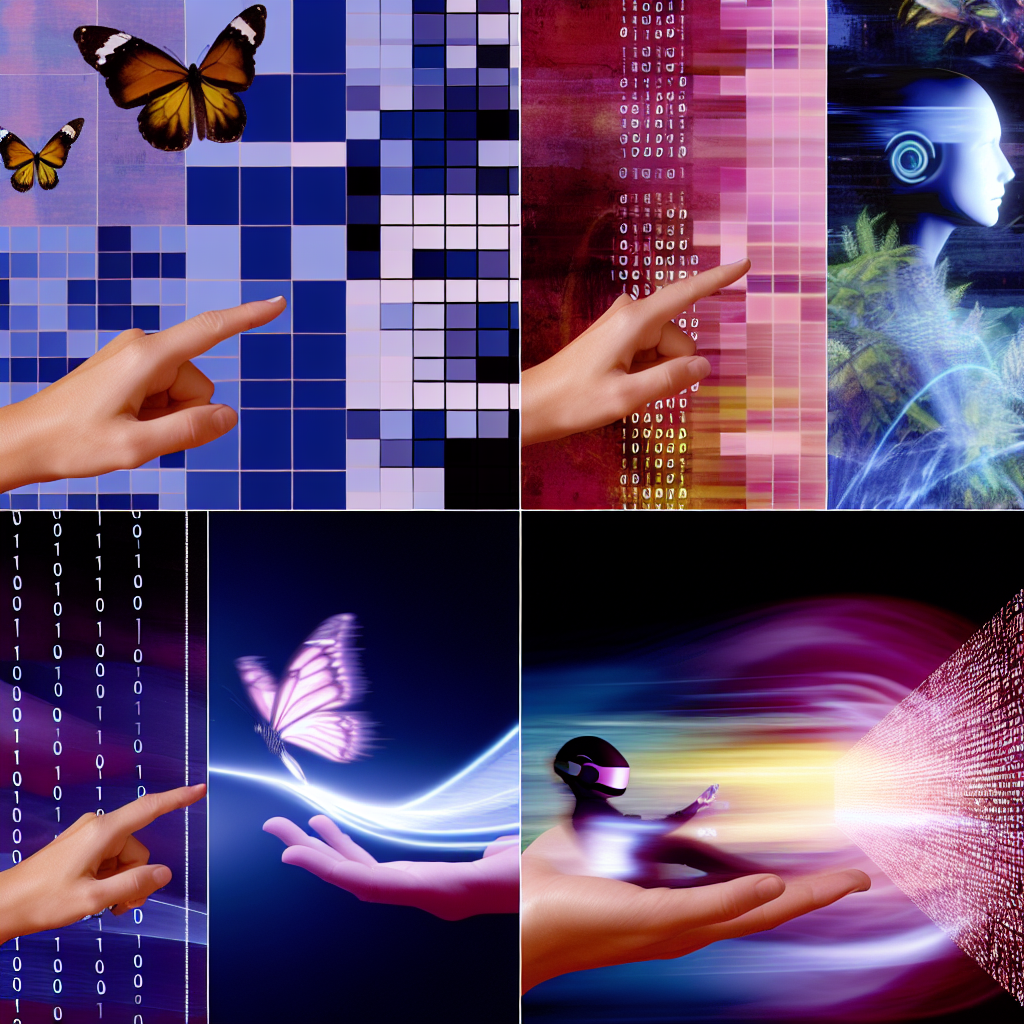
As the digital age continues to redefine creative possibilities, interactive digital art has emerged as a vibrant field that challenges traditional boundaries. The convergence of art and technology offers creators a dynamic palette to engage audiences, transcending the passive observational experience.
In the contemporary art world, the shift toward interactivity reflects broader cultural trends—emphasizing participation, personalization, and immersive storytelling. This evolution in interactive media art not only democratizes the art-making process but also invites a spectrum of new voices to contribute to the artistic dialogue. As artists, curators, and educators explore these new terrains, the cultural and social implications of interactive art experiences continue to provoke thoughtful discussion.
Interactive digital art finds its origins in the pioneering experiments of the 1960s and 70s, when artists sought to break away from passive art forms. Visionaries like László Moholy-Nagy and John Cage paved the way for future explorers by integrating technology into their works, laying the groundwork for what would become a thriving contemporary art movement.
The rapid advances in technology have catalyzed this evolution, enabling artists to create more complex, responsive installations. From the advent of computer graphics to the rise of virtual and augmented reality, each technological leap has expanded the potential of interactive art experiences.
Incorporating AI, machine learning, and IoT devices, contemporary interactive digital art adapts to real-time stimuli, creating an ever-evolving dialogue between the art and its audience. These responsive environments blur the line between the digital and physical worlds, generating a multisensory experience that is both personalized and communal.
Augmented reality (AR) introduces a new dimension to installations and performances, seamlessly blending digital content with the physical environment. Artists harness AR to create site-specific works that engage viewers in a place-sensitive narrative, changing the way we perceive and interact with our surroundings.
Understanding your narrative and audience is paramount in selecting apt technologies for your project. Tools like Unity3D, Arduino, and Processing are popular among interactive media art practitioners. Artists should balance technical complexity with artistic intent to maintain creative integrity.
Successful interactive art hinges on the quality of the experience. Consider how users will engage with your work—emphasize intuitive interfaces, responsive feedback, and meaningful interaction to foster a deeper connection.
Interactive projects often require a confluence of skills—from coding to storytelling to design. Collaborating with technologists, musicians, and writers can enrich your projects, offering new perspectives and enhancing your artistic vision.
Adopt an iterative approach to project development. Prototyping early and often allows you to test interactions, gather feedback, and refine your work iteratively. This process ensures a polished and resonant final piece.
Curators play a critical role in shaping how these artworks are perceived. Effective curation can bridge the gap between digital art and diverse audiences by providing educational materials or interactive guides that enhance visitor engagement.
Spatial considerations are vital. Ensuring ample room for movement, access to digital interfaces, and seamless technology integration will significantly impact the success of an exhibition. Attention to lighting, acoustics, and visitor flow can transform an exhibition space into an interactive playground.
Cultural institutions worldwide are recognizing the importance of nurturing new digital talent. Residencies, workshops, and grant opportunities provide burgeoning artists with the resources necessary to experiment and innovate within the field of interactive art.
Exhibitions such as Rafael Lozano-Hemmer’s “Pulse” series demonstrate the profound impact interactive art can have. These installations invite viewers to engage both physically and emotionally, making them an integral part of the artwork itself.
As digital technology continues to advance, interactive digital art promises to be at the forefront of innovation and cultural expression. By fostering critical engagement, these art forms expand our understanding of what art can be and how it can function within contemporary society. Artists, curators, and educators are encouraged to embrace and explore this evolving landscape, contributing to a richer, more inclusive art world.
At NewGenreArtSpace.com, we believe that engaging with interactive digital art is crucial for anyone invested in the future of creativity and cultural discourse. By staying informed and participating in this ever-changing field, we can collectively nurture a more vibrant and diverse artistic community.