Donec efficitur, ligula ut lacinia
viverra, lorem lacus.
Donec efficitur, ligula ut lacinia
viverra, lorem lacus.
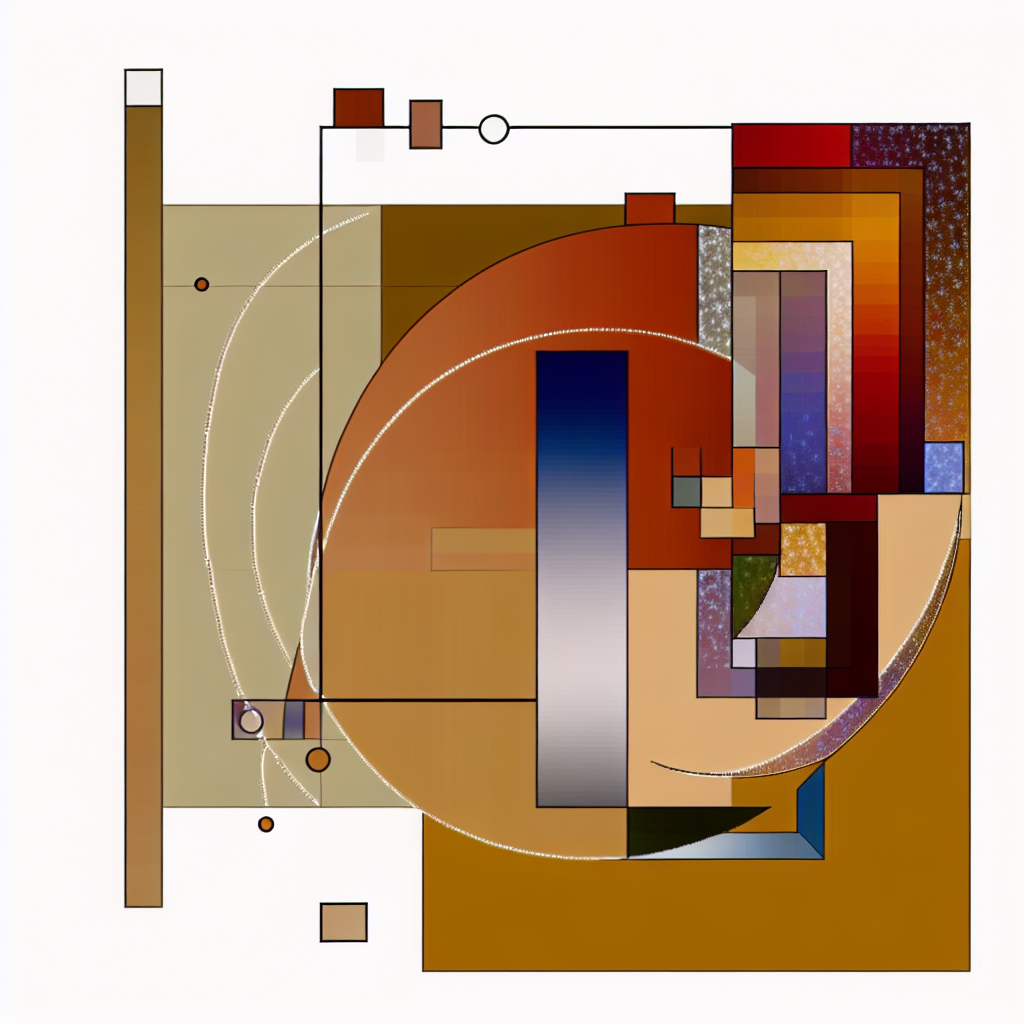
In today’s rapidly shifting cultural and technological landscape, modern art continues to serve as a powerful mirror reflecting societal changes and innovations. The intersection of new technologies with traditional artistic practices has paved the way for fresh interpretations and challenging questions about the role of art today. As we delve into modern art analysis, it becomes essential to understand the significant movements and styles that have shaped contemporary expression, offering deep insights into our evolving world.
Impressionism marked a dramatic departure from the formalism of academic painting, embracing naturalism and the transient effects of light. This movement laid the groundwork for modern artistic trends, challenging traditional narratives.
Notable artists like Claude Monet and Edgar Degas pushed the boundaries of how art interacts with sensory perception, moving towards a more personal expression of reality. Impressionism’s emphasis on individual perspective paved the way for the experimentation inherent in modern art trends.
Pioneered by Pablo Picasso and Georges Braque, Cubism revolutionized modern art by deconstructing objects and reassembling them in abstract forms. This radical approach offered multiple viewpoints within a single canvas, significantly influencing contemporary art features such as abstraction and multimedia explorations.
The surrealists, inspired by Freudian theory, sought to unlock the power of the subconscious. Artists like Salvador Dalí and René Magritte used dreamlike scenes to question reality, blending the imaginary with the everyday. This movement has inspired countless contemporary digital media art practitioners to explore automated processes and digital algorithms reminiscent of subconscious creativity.
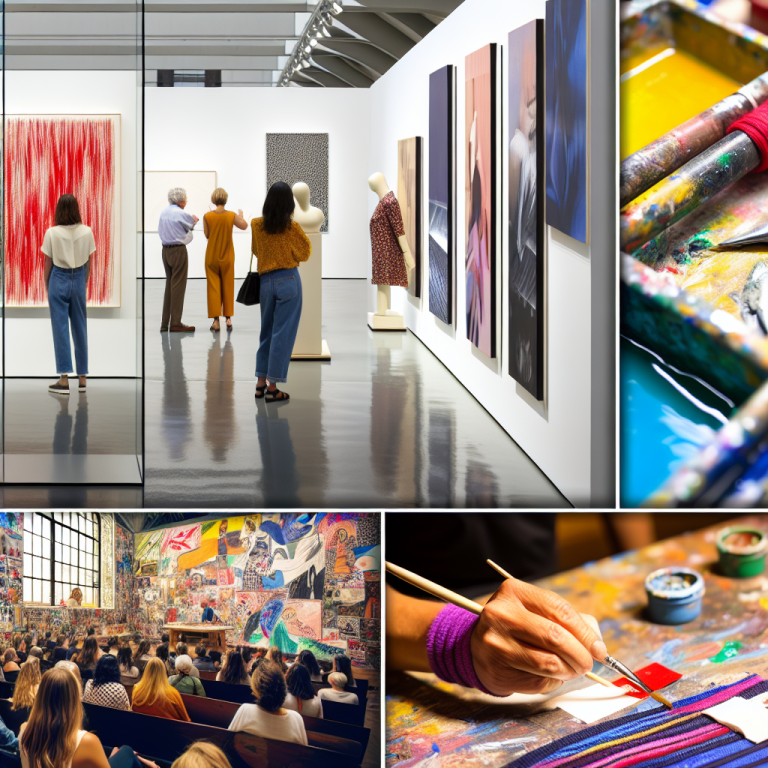
Contemporary art reflects the interconnectedness of today’s world, with artists drawing inspiration from diverse cultures. This trend is best exemplified by exhibitions that celebrate multicultural exchanges, fostering an appreciation for cultural diversity.
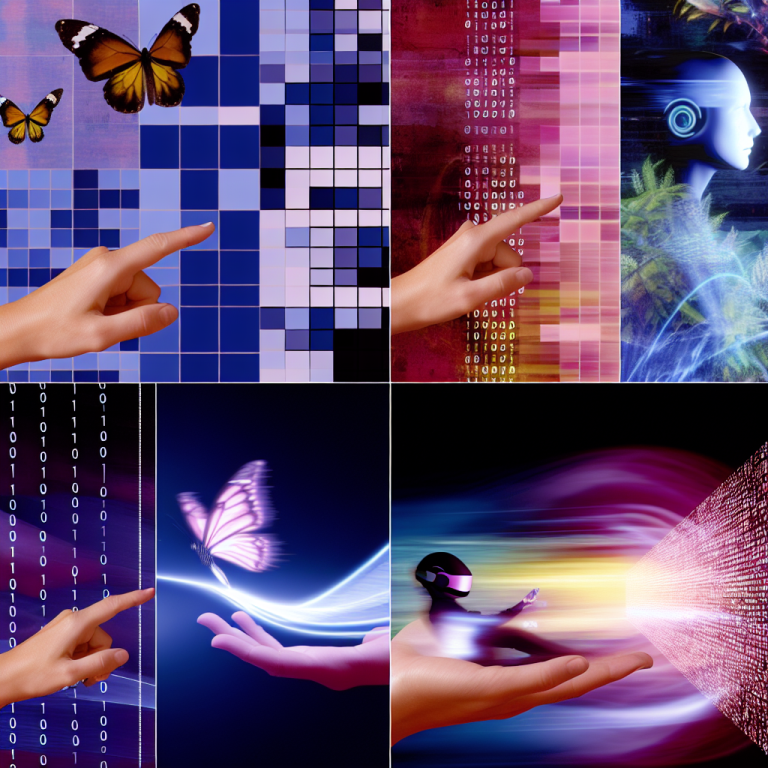
Technology is a central tenet of contemporary art, enabling new mediums and practices such as video installations, virtual reality, and interactive installations. This shift not only alters the way art is produced but also how it is consumed by audiences, providing immersive and participatory experiences.
Artists, curators, and institutions play pivotal roles in modern art analysis and dissemination. Their collaboration is essential in fostering environments where groundbreaking ideas can flourish and audiences can engage deeply with artistic concepts.
Understanding the evolution of modern and contemporary art is crucial for students, researchers, and enthusiasts who thrive on intellectual exploration. The study of past movements enlightens future practices and ensures that art remains a vital component of cultural discourse.
As we reflect on the importance of contemporary art education and critical thinking, we must appreciate the deep influence of modern art on today’s creative landscape. Understanding the key movements and styles not only enhances artistic comprehension but also invigorates cultural debate and exploration. With resources like NewGenreArtSpace.com, individuals can continue exploring, learning, and contributing to the ever-evolving art world, ensuring that modern art remains a fascinating, relevant, and influential force.