Donec efficitur, ligula ut lacinia
viverra, lorem lacus.
Donec efficitur, ligula ut lacinia
viverra, lorem lacus.
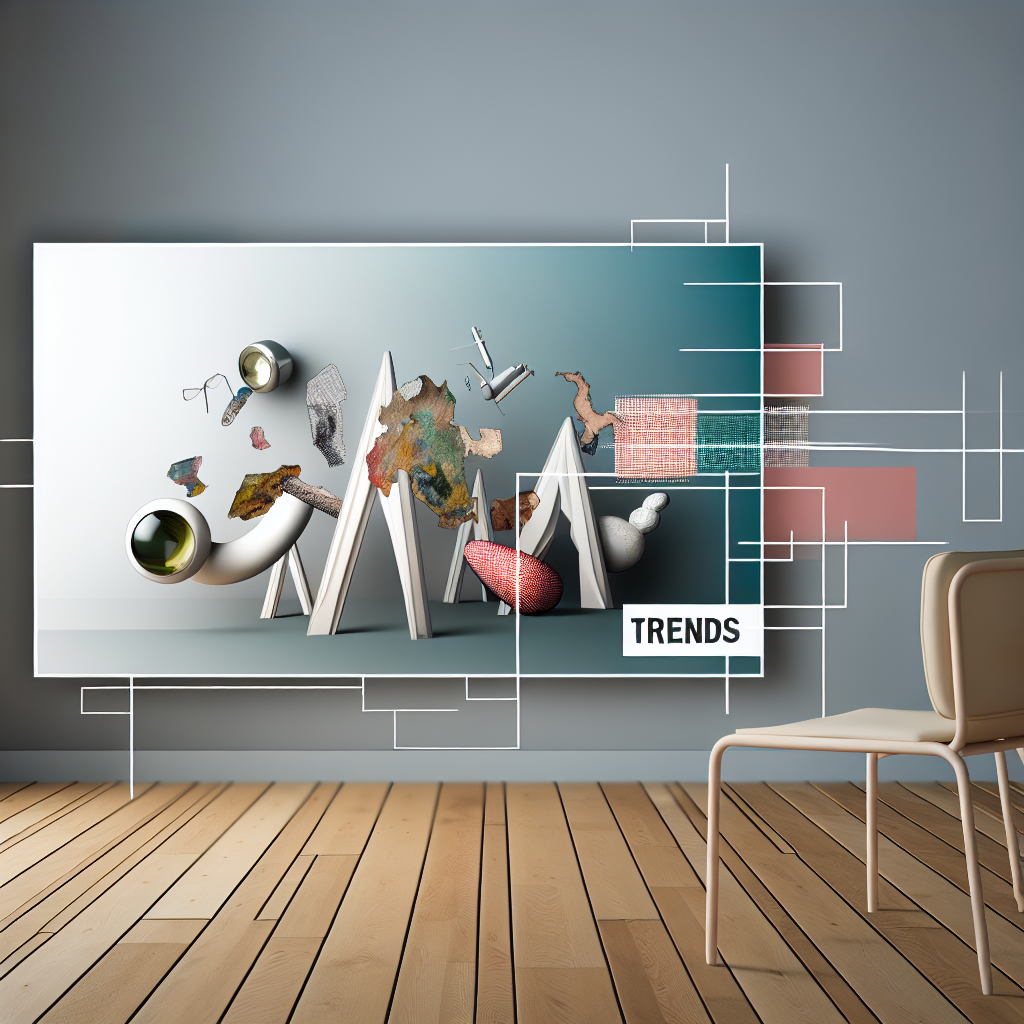
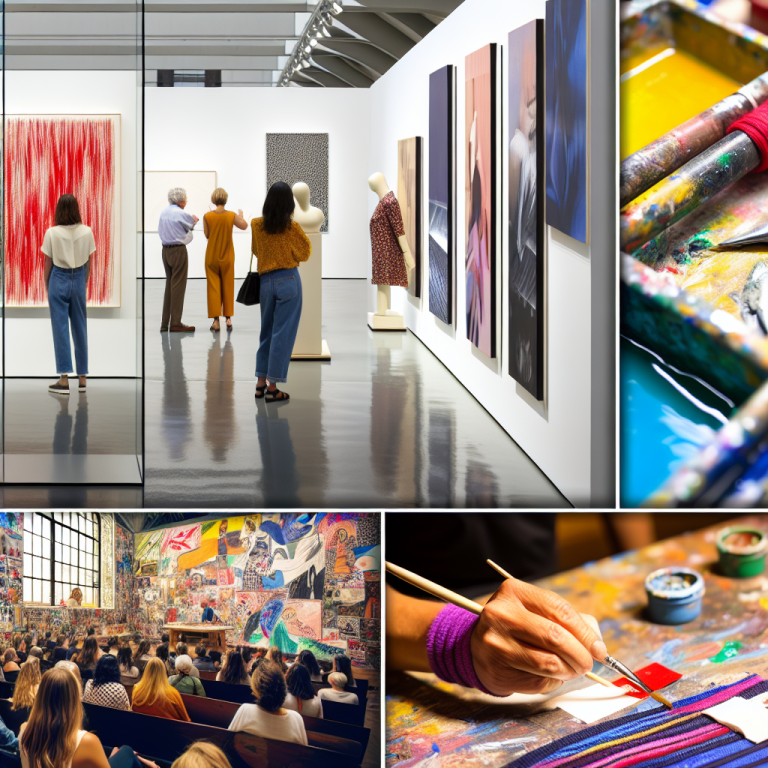
In the ever-evolving landscape of contemporary art, understanding modern art trends is crucial for both students and collectors aiming to navigate this dynamic field. The art world has seen significant shifts in recent years, driven by technological advancements, cultural transformations, and emerging new generations of artists. Contemporary art education plays a vital role in equipping individuals with the knowledge and skills needed to engage with these changes thoughtfully and creatively.
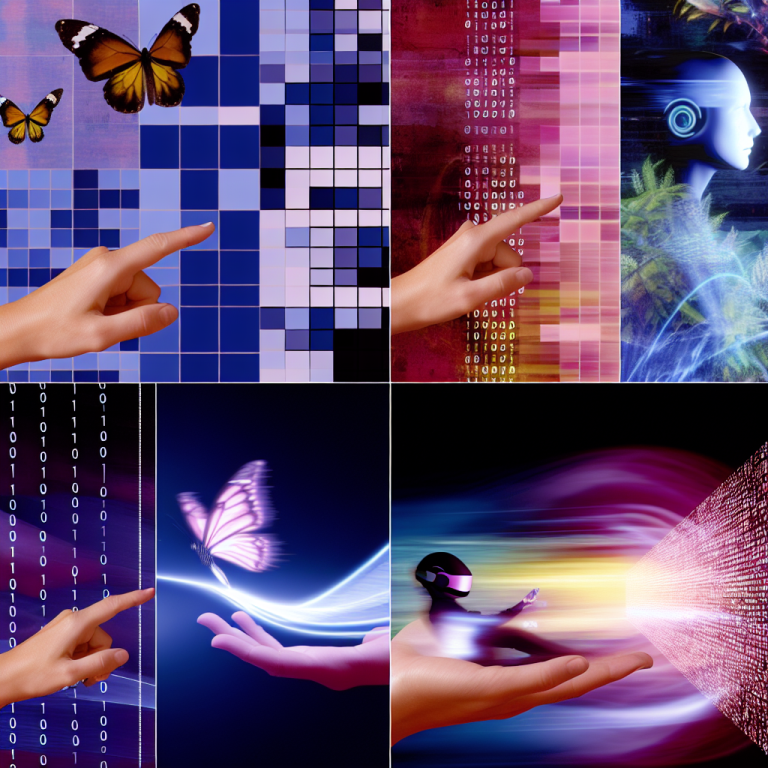
The rise of digital media has revolutionized artistic practices, expanding the possibilities of creation and interaction. From installations that incorporate virtual reality to artworks generated by artificial intelligence, modern art analysis must consider the implications of these technologies. As digital platforms become integral to artistic expression, they challenge traditional notions of art and redefine how audiences engage with it.
The globalized art world is witnessing cultural shifts that reflect broader societal changes. Issues such as sustainability, identity, and politics are increasingly prevalent themes. Artists are exploring these topics through diverse mediums, prompting both collectors and students to reconsider conventional art forms. Contemporary art education now emphasizes critical thinking and cross-cultural understanding to better engage with these complex themes.
Modern art thrives against a backdrop of historical movements while constantly redefining itself in contemporary contexts. Students and collectors must grasp both to fully appreciate current trends. Art history provides a lens through which to view the evolutions and revolutions of art practices over time. By placing today’s movements in a broader historical framework, one can discern the influences and future trajectories of contemporary art.
As artists operate in an increasingly interconnected world, globalization influences modern art trends significantly. This reality creates a melting pot of styles and techniques drawn from diverse cultures. Contemporary art education encourages the exploration of this global dialogue, fostering an appreciation for different perspectives and historical contexts, further enhancing the role of art as a universal language.
Modern art trends are not only the domain of professionals but an area of exploration for new entrants to the art world. Whether for educational or investment purposes, understanding these trends benefits both students and collectors. Institutions and digital media platforms offer resources to develop a comprehensive understanding, providing foundational tools for further exploration.
For students aiming to carve a niche in the art world, contemporary art education offers insights into not only artistic techniques but also critical theory and cultural analysis. As future artists, curators, or researchers, their role is to push boundaries and question existing paradigms, facilitating growth and innovation in the field.
For collectors, understanding modern art analysis offers the potential for astute investments and enhanced collections. By staying informed about emerging artists and movements, collectors can acquire works that not only appreciate in value but also offer cultural and intellectual enrichment.
For extended insights into modern art trends and educational resources, explore platforms like MoMA and Tate. These institutions provide comprehensive information and exhibitions tailored to current artistic practices.
In wrapping up our exploration of modern art trends, it’s clear that contemporary art education and thoughtful engagement with current practices empower individuals to understand and appreciate the complexities of the art world. Acknowledging and embracing these trends equips both students and collectors with the tools necessary for enriched participation in the art narrative. At NewGenreArtSpace.com, we strive to be a trusted resource in navigating this dynamic landscape, encouraging you to engage, explore, and continue learning about the vibrant world of contemporary art.