Donec efficitur, ligula ut lacinia
viverra, lorem lacus.
Donec efficitur, ligula ut lacinia
viverra, lorem lacus.


“`html
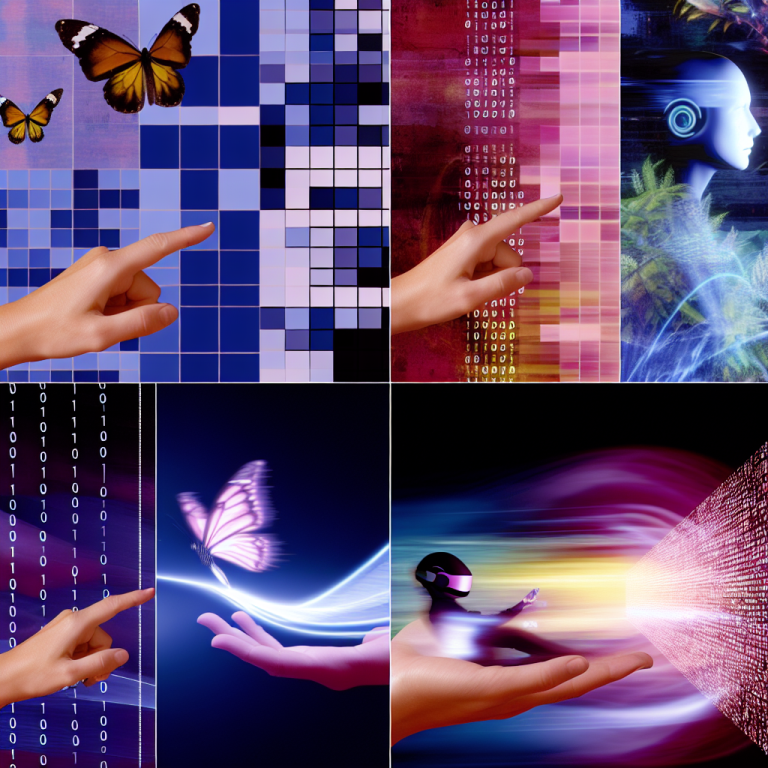
As the lines between art and technology blur, interactive art installations have emerged as a cornerstone of contemporary artistic practice. These installations are not merely a visual experience; they are an invitation for audience participation, challenging the passive spectatorship of traditional art forms. In a world increasingly defined by digital interaction, these experiences are reshaping the landscape of modern art exhibitions. But what exactly makes them so relevant today?
This guide explores the evolving world of interactive media art, providing a comprehensive understanding of its significance and offering insights for artists, curators, and art enthusiasts keen on engaging with this vibrant form of expression.
Interactive art has been a part of the contemporary art lexicon since the mid-20th century, evolving alongside advancements in technology. Pioneers such as Allan Kaprow and Nam June Paik laid the groundwork for what would become a rich and diverse field. Today, interactive media art incorporates elements like virtual reality, motion sensors, and digital projection, creating immersive environments that engage viewers in multifaceted ways.
In our digitally connected world, interactive art installations resonate because they offer an alternative to the often isolating digital experiences. They are inherently social and encourage shared experiences, enhancing communal interaction. Additionally, by demanding active participation, these installations empower audiences, redefining their role from observers to collaborators in the art-making process.
The backbone of interactive art experiences is technology. Leveraging tools like Arduinos, Raspberry Pi, and motion-tracking software, artists can create responsive environments. Installation art now often involves a combination of hardware and software, with technologies like projection mapping and augmented reality adding layers of dynamism.
Creating a meaningful interactive installation requires a deep understanding of audience engagement. Consideration must be given to how an audience will navigate the space, the types of interactions possible, and the emotional or cognitive outcomes intended.
Whether you are an emerging artist or a seasoned curator, implementing an interactive art installation requires careful planning and execution. Here is a step-by-step approach:
Interactive installations often require a collaborative approach. Artists frequently work with technologists, engineers, and designers to bring their visions to life, highlighting the cross-disciplinary nature of contemporary art.
Numerous installations have left an indelible mark on the art world, pushing the boundaries of audience interaction. Works like Rafael Lozano-Hemmer’s “Pulse Room” and teamLab’s Digital Art Museum demonstrate the expansive possibilities of interactive art.
For more information on such groundbreaking projects, visit Tate and teamLab.
The future of interactive media art looks promising with the advent of AI and machine learning. These technologies stand to make art experiences more personalized and intelligent. As data-driven artworks evolve, they hold potential for groundbreaking interactions.
Interactive art installations are more than an artistic trend; they are a transformative experience that blends technology, creativity, and audience engagement. They challenge traditional notions of art by inviting participation and fostering interaction. As you explore this dynamic field, consider the profound impact these experiences have on both artists and audiences.
We encourage readers to delve deeper into this exciting realm, utilizing resources like NewGenreArtSpace.com as a trusted guide in the evolving landscape of interactive media art.
“`